
Pass rate, every year
98.1% Above average
53 tests across 1 model years, 2022–2022.
+17.1 pts vs the national average
Pass rate, every year
53 tests across 1 model years, 2022–2022.
+17.1 pts vs the national average
Best year to buy
2022 98.1%
The strongest of the 1 years on record. See the 2022 page →
Worst year to buy
2022 98.1%
0.0 points below the 2022 peak. See the 2022 page →
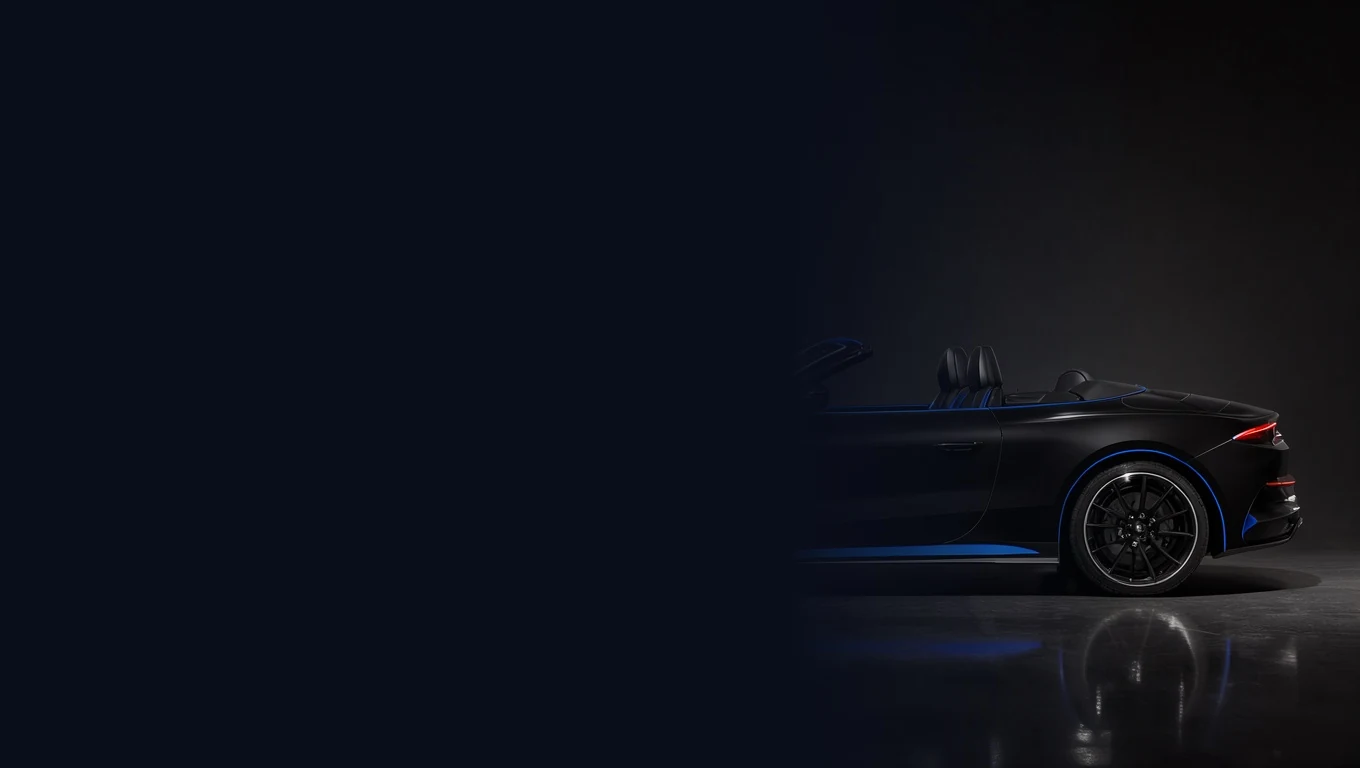
The Hyundai I30 N Drive-N MOT pass rate is 98.1%, +17.1 percentage points above the UK average. That is 53 DVSA MOT tests recorded between 2022 and 2022. This page lists the most common Hyundai I30 N Drive-N MOT failures by category, names the best and worst model years, and finishes with a pre-MOT checklist you can run at home.
The Hyundai I30 N Drive-N passed on its first attempt in 98.1%, and its overall record sits +17.1 percentage points above the national average for all cars. These figures come from every recorded DVSA MOT test for the Hyundai I30 N Drive-N in the 2023–2025 data: 53 tests across 1 model years (2022–2022). A test still carries exactly one pass or fail verdict.
| Measure | This model |
|---|---|
| Tests analysed | 53 |
| Overall pass rate | 98.1% |
| Passed on first attempt | 98.1% |
| Average mileage at test | 19,091 mi |
| Model years covered | 2022–2022 (1 years) |
| Versus UK national average | +17.1 pts above |
Figures are computed from every recorded DVSA test for this model in the 2023–2025 data.
Every MOT failure a tester records belongs to one inspection section of the DVSA manual. For the Hyundai I30 N Drive-N, the Visibility section leads the record — the breakdown below shows where the recorded failures cluster, then the exact strings behind the three biggest sections.
| Inspection section | Share of failures |
|---|---|
| Visibility | 67% |
| Noise, emissions and leaks | 33% |
Shares are over the Hyundai I30 N Drive-N's recorded defect strings, merged across its year pages.
Around 67% of the recorded Hyundai I30 N Drive-N failures fall in the Visibility section of the MOT inspection manual. Testers recorded "Wipers blade defective" (1.9%), "Wipers does not clear the windscreen effectively" (1.9%) among the Hyundai I30 N Drive-N's visibility faults.
Around 33% of the recorded Hyundai I30 N Drive-N failures fall in the Noise, emissions and leaks section of the MOT inspection manual. Testers recorded "Catalyst emissions emissions likely to be affected by an exhaust leak" (1.9%) among the Hyundai I30 N Drive-N's noise, emissions and leaks faults.
The descriptions below are the exact DVSA failure strings testers recorded most often for the Hyundai I30 N Drive-N, each with how many of the model's 53 tests it was noted on.
The strongest Hyundai I30 N Drive-N model year on record is 2022 (98.1% across 53 tests), and the weakest is 2022 (98.1%). Years with fewer than 50 recorded tests are excluded, so these are the years with enough MOT history to mean something.
| Year | Tests | Pass rate |
|---|---|---|
| 2022 I30 N Drive-N | 53 | 98.1% |
Newest model year first. Only years with at least 50 recorded tests are listed.
These checks follow this Hyundai I30 N Drive-N's own most-recorded failure strings, starting with what a tester is most likely to flag on a Hyundai I30 N Drive-N.
the exhaust and emissions — “catalyst emissions emissions likely to be affected by an exhaust leak”
Listen for a blow at idle and have someone rev it gently. Then look at the tailpipe smoke: blue is oil, white when warm is coolant, black is over-fuelling. Any of those and the emissions test is the least of it.
the wipers and washers — “wipers blade defective”
Run the wipers with the screen wet: they should clear it in one sweep without smearing or juddering. Top the washer bottle up and check both jets hit the screen.
Derived from the DVSA failure strings testers recorded for the Hyundai I30 N Drive-N. A check that finds nothing means the item is likely fine, not that the test is guaranteed.
98.1% of the 53 recorded Hyundai I30 N Drive-N MOT tests ended in a pass, +17.1 percentage points above the national average. 98.1% of those passed on the first attempt.
2022 is the strongest Hyundai I30 N Drive-N year on record at 98.1%, while 2022 is the weakest at 98.1%. The year-by-year table below lists every model year with at least 50 recorded tests.
The most recorded Hyundai I30 N Drive-N failures are "Catalyst emissions emissions likely to be affected by an exhaust leak" and "Wipers blade defective" — together around 4% of tests, mostly in the Noise, emissions and leaks section.